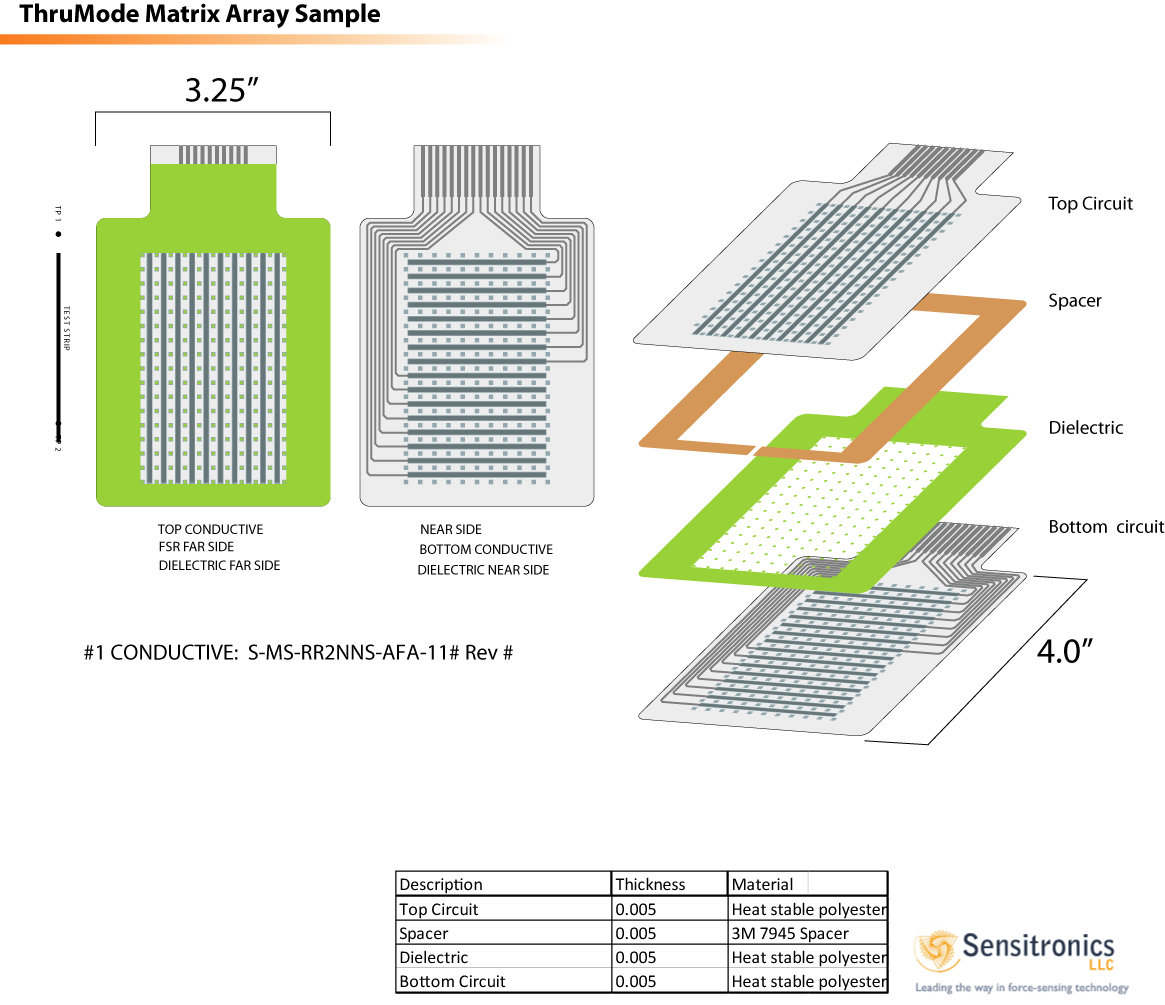
Találtam egy másik megoldást csak sajnos hiányosak az információk.
Ha valaki tudna segíteni egy kapcsolási rajzot készíteni akkor lehet hogy működőképes lenne a dolog illetve ha tudnánk hogy mi hiányzik még a kapcsolásból.
Csatolom a két linket az egyiken látható pár haszon infó "sajnos a cég már nem elérhető"
Kód: Egész kijelölése
#include <Stdio.h>


//-----------------------------------------------------------------------------

// ArduMT MACROs and control parameters

//-----------------------------------------------------------------------------

#define FASTSCAN 1 // Do fast scanning

#define FASTADC  1 // Do fast ADC

#define TIME_CHK 0 // For debugging


// ADC channel

#define ADC_CHANNEL 0


// ADC value

#define MEASUREMENT_DIVIDE 2 // measurement = adc / MEASUREMENT_DIVIDE


// ADC value less than the threshold value is

// regarded as zero

const int encodingThreshold = 20;


// 0:   No Test. Run ArduMT firmware

// 1~5: For debugging. See function testArduMT()

#define TEST_ARDUMT 1


// Reserved for future use

#define MIN_ADC 0

#define MAX_ADC 1023


// RS232C BAUD_RATE

#define BAUD_RATE 115200


// Fast ADC code from

// http://www.arduino.cc/cgi-bin/yabb2/YaBB.pl?num=1208715493/11

// defines for setting and clearing register bits

#ifndef cbi

#define cbi(sfr, bit) (_SFR_BYTE(sfr) &= ~_BV(bit))

#endif

#ifndef sbi

#define sbi(sfr, bit) (_SFR_BYTE(sfr) |= _BV(bit))

#endif


//=============================================================================

// Variables and constants Változók és állandók

//=============================================================================


// Number of driving and sensinig electrodes. Számú vezetési és érzékelő elektródákat.

// Although the current ArduMT panel has 30 sensing electrodes Bár a jelenlegi ArduMT panel 30 érzékelő elektródák

// its sensing electronics supports 40 channels. az érzékelő elektronika támogatja a 40 csatorna.

const int nDriving = 40;

const int nSensing = 30;

const int nDrivingModuleChannel = 40;

const int nSensingModuleChannel = 40;


// Shift register control settings. Shift regiszter beállításokat.

// ArduMT uses shift registers to address a single touch pixel. ArduMT használ váltás nyilvántartások, amelyek foglalkoznak egy képpont felbontású érintőképernyő.

// This addressing method can reduce the required number of Arduino digital Ez a címzési módszer csökkentheti a szükséges számú Arduino digitális

// output pins, especially when there are large number of electrodes. kimeneti csapok, különösen akkor, ha nagy számú elektródák.


// Settings for ArduMT

// Pin connected to latch pin (ST_CP) of 74HC595

const int latchPinD = 8;

const int latchPinS = 11;

// Pin connected to clock pin (SH_CP) of 74HC595

const int clockPinD = 9;

const int clockPinS= 10;

// Pin connected to Data in (DS) of 74HC595

const int dataPinD = 7;

const int dataPinS = 12;


const int latchPinSPORTB = B00001000; // Digital Pin 11

const int clockPinSPORTB = B00000100; // Digital Pin 10

const int dataPinSPORTB = B00010000; // Digital Pin 12


int incomingByte = 0;


// Encoding control parameters

const int MAX_NUM_ENCODED_ZEROS = 254;

const int MAX_MEASUREMENT = 254;

const int END_PACKET = 255;


// Time check variables and functions for debuggin ArduMT Idő ellenőrzés változók és funkciók debuggin ArduMT

#if TIME_CHK

unsigned long begin_time;

unsigned long end_time;

unsigned long elapsed_time;

#endif


//=============================================================================

// Function bodies Funkció szervek

//=============================================================================


#if TIME_CHK

void time_chk_start(void)

{

    begin_time = micros();

}


void time_chk_stop(void)

{

    end_time = micros();


    elapsed_time = end_time - begin_time;


    Serial.print("Time (micro s): ");

    Serial.println(elapsed_time);

}

#endif


/** Real-time encoding (compression) of ADC measurement */

void encodeData(int measurement, int &count)

{

    if( measurement < encodingThreshold )  // consider as 0

    {

        if(count < (MAX_NUM_ENCODED_ZEROS-1))

        {

            count++;

        }

        else

        {

#if !TIME_CHK

            Serial.print(0, BYTE);

            //Serial.print(255, BYTE);

            Serial.print(MAX_NUM_ENCODED_ZEROS, BYTE);

#endif

            count = 0;

        }

    }

    else

    {

        if( count != 0 )

        {

#if !TIME_CHK

            Serial.print(0, BYTE);

            Serial.print(count, BYTE);

#endif

            count = 0;

        }

#if !TIME_CHK


      if(MAX_MEASUREMENT < (measurement/MEASUREMENT_DIVIDE))

      {

         Serial.print(MAX_MEASUREMENT, BYTE);

      }

      else

      {

         Serial.print(measurement/MEASUREMENT_DIVIDE, BYTE);

      }

#endif

    }

}


/** For testting ArduMT, only for development purpose */

void testArduMT(int testNumber)

{

    initializeShiftRegisters(dataPinD, clockPinD, latchPinD, nDriving);

    initializeShiftRegisters(dataPinS, clockPinS, latchPinS, nSensing);


    byte command1 = 'S'; // 83, Uncompressed data transfer. Packet length is nDriving*nSensing bytes

    int measurement = 0;


    switch (testNumber)

    {

    case 1: // sensing point (0, 0)

        shiftOutBit(dataPinD, clockPinD, latchPinD, 1);

        shiftOutBitHighSpeedPORTB(dataPinSPORTB, clockPinSPORTB, latchPinSPORTB, 1);

        while (1) {}

        break;

    case 2: // sensing point (29, 0)

        for (int j = 0 ; j < 29; j++)

        {

            if (j == 0)

            {

                initializeShiftRegisters(dataPinS, clockPinS, latchPinS, nSensing);

                shiftOutBitHighSpeedPORTB(dataPinSPORTB, clockPinSPORTB, latchPinSPORTB, 1);

            }

            else

            {

                shiftOutBitHighSpeedPORTB(dataPinSPORTB, clockPinSPORTB, latchPinSPORTB, 0);

            }

        }

        while (1) {}

        break;

    case 3: // sensing point (30, 0)

        for (int j = 0; j < 30; j++)

        {

            if (j == 0)

            {

                initializeShiftRegisters(dataPinS, clockPinS, latchPinS, nSensing);

                shiftOutBitHighSpeedPORTB(dataPinSPORTB, clockPinSPORTB, latchPinSPORTB, 1);

            }

            else

            {

                shiftOutBitHighSpeedPORTB(dataPinSPORTB, clockPinSPORTB, latchPinSPORTB, 0);

            }

        }

        while (1) {};

        break;

    case 4: // low-speed scanning with initialization (zero out sensor shift registers)

        while(1)

        {

            if (Serial.available() > 0)

            {

                incomingByte = Serial.read();

                if (incomingByte == command1)

                {

                    for (int j = 0 ; j < nDriving; j++)

                    {

                        if (j == 0)

                        {

                            initializeShiftRegisters(dataPinS, clockPinS, latchPinS, nSensing);

                            shiftOutBit(dataPinS, clockPinS, latchPinS, 1);

                        }

                        else

                        {

                            shiftOutBit(dataPinS, clockPinS, latchPinS, 0);

                        }


                        measurement = analogRead(ADC_CHANNEL);

                        Serial.print(measurement/MEASUREMENT_DIVIDE, BYTE);

                    }

                }

            }

        }

        break;

    case 5: // high-speed scanning with initialization (zero out sensor shift registers)

        while(1)

        {

            if (Serial.available() > 0)

            {

                incomingByte = Serial.read();

                if (incomingByte == command1)

                {

                    for (int j = 0 ; j < nDriving; j++)

                    {

                        if (j == 0)

                        {

                            initializeShiftRegisters(dataPinS, clockPinS, latchPinS, nSensing);

                            shiftOutBitHighSpeedPORTB(dataPinSPORTB, clockPinSPORTB, latchPinSPORTB, 1);

                        }

                        else

                        {

                            shiftOutBitHighSpeedPORTB(dataPinSPORTB, clockPinSPORTB, latchPinSPORTB, 0);

                        }


                        measurement = analogRead(ADC_CHANNEL);

                        Serial.print(measurement/MEASUREMENT_DIVIDE, BYTE);

                    }

                }

            }

        }

        break;

    default:

        break;

    }

}


void setup()

{

#if FASTADC

    // set prescale to 16

    sbi(ADCSRA,ADPS2) ;

    cbi(ADCSRA,ADPS1) ;

    cbi(ADCSRA,ADPS0) ;

#endif


    // Initialize scanning electronics

    pinMode(latchPinD, OUTPUT);

    pinMode(latchPinS, OUTPUT);

    pinMode(dataPinD, OUTPUT);

    pinMode(dataPinS, OUTPUT);

    pinMode(clockPinD, OUTPUT);

    pinMode(clockPinS, OUTPUT);


    initializeShiftRegisters(dataPinD, clockPinD, latchPinD, nDriving);

    initializeShiftRegisters(dataPinS, clockPinS, latchPinS, nSensing);


    // Initialize serial port

    Serial.begin(BAUD_RATE);


#if TEST_ARDUMT

        testArduMT(TEST_ARDUMT);

#endif

}


void loop()

{

    int measurement = 0;

    int count = 0;


    byte command1 = 'S'; // 83, Uncompressed data transfer. Packet length is nDriving*nSensing bytes

    byte command2 = 'F'; // 70, Compressed data transfer. Variable packet length.

    byte command_ain = 'A'; // Analog in.


    //byte command_ain = 'A'; // Analog in

    //byte command_a1 = 'A1'; // Analog in


    if (Serial.available() > 0)

    {

        incomingByte = Serial.read();

        if (incomingByte == command1)

        {

#if TIME_CHK

            time_chk_start();

#endif

            for (int i = 0; i < nDriving; i++)

            {

                /*

                 if (i == 0) shiftOutBitHighSpeedPORTB(dataPinSPORTB, clockPinSPORTB, latchPinSPORTB, 1);

                 else shiftOutBitHighSpeedPORTB(dataPinSPORTB, clockPinSPORTB, latchPinSPORTB, 0);

                 */

                if (i == 0) shiftOutBit(dataPinD, clockPinD, latchPinD, 1);

                else shiftOutBit(dataPinD, clockPinD, latchPinD, 0);


                for (int j = 0 ; j < nSensingModuleChannel; j++)

                {

#if FASTSCAN

                    if (j == 0)

                    {

                        shiftOutBitHighSpeedPORTB(dataPinSPORTB, clockPinSPORTB, latchPinSPORTB, 1);

                    }

                    else

                    {

                        shiftOutBitHighSpeedPORTB(dataPinSPORTB, clockPinSPORTB, latchPinSPORTB, 0);

                    }

#else

                    // Driving, sensing electrode control using 595

                    if (j == 0)

                    {

                        shiftOutBit(dataPinS, clockPinS, latchPinS, 1);

                    }

                    else

                    {

                        shiftOutBit(dataPinS, clockPinS, latchPinS, 0);

                    }

#endif


                    if (j < nSensing)

                    {

                        measurement = analogRead(ADC_CHANNEL);

#if !TIME_CHK

                        if(MAX_MEASUREMENT < (measurement/MEASUREMENT_DIVIDE))

                        {

                            Serial.print(MAX_MEASUREMENT, BYTE);

                        }

                        else

                        {

                            Serial.print(measurement/MEASUREMENT_DIVIDE, BYTE);

                        }

#endif

                    }

                }

            }

#if TIME_CHK

            time_chk_stop();

#endif

        }

        else if (incomingByte == command2)

        {

#if TIME_CHK

            time_chk_start();

#endif

            for (int i = 0; i < nDriving; i++)

            {

                if (i == 0) shiftOutBit(dataPinD, clockPinD, latchPinD, 1);

                else shiftOutBit(dataPinD, clockPinD, latchPinD, 0);


                for (int j = 0 ; j < nSensingModuleChannel; j++)

                {

#if FASTSCAN

                    if (j == 0)

                    {

                        shiftOutBitHighSpeedPORTB(dataPinSPORTB, clockPinSPORTB, latchPinSPORTB, 1);

                    }

                    else

                    {

                        shiftOutBitHighSpeedPORTB(dataPinSPORTB, clockPinSPORTB, latchPinSPORTB, 0);

                    }

#else

                    // Driving, sensing electrode control using 595

                    if (j == 0)

                    {

                        shiftOutBit(dataPinS, clockPinS, latchPinS, 1);

                    }

                    else

                    {

                        shiftOutBit(dataPinS, clockPinS, latchPinS, 0);

                    }

#endif


                    if (j < nSensing)

                    {

                        measurement = analogRead(ADC_CHANNEL);

                        encodeData(measurement, count);

                    }

                }

            }


            // End of encoded packet

            if( count != 0)

            {

#if !TIME_CHK

                Serial.print(0, BYTE);

                Serial.print(count, BYTE);

#endif

                count = 0;

            }


#if !TIME_CHK

            Serial.print(END_PACKET, BYTE);

            Serial.print(END_PACKET, BYTE);

#endif


#if TIME_CHK

            time_chk_stop();

#endif

        }


        else if (incomingByte == command_ain)

        {

            //int aport = Serial.read();

            //measurement = analogRead(aport);

            measurement = analogRead(1);

            Serial.print(measurement, BYTE);

            measurement = analogRead(2);

            Serial.print(measurement, BYTE);

            measurement = analogRead(3);

            Serial.print(measurement, BYTE);

            measurement = analogRead(4);

            Serial.print(measurement, BYTE);

            measurement = analogRead(5);

            Serial.print(measurement, BYTE);

        }

        /*

        else if (incomingByte == command_a2)

        {

            measurement = analogRead(2);

            Serial.print(measurement, BYTE);

        }

        */

    }

}


void shiftOutBit(int myDataPin, int myClockPin, int myLatchPin, int myDataOut)

{

    // This shifts 8 bits out MSB first, on the rising edge of the clock,

    // clock idles low


    // internal function setup

    int i=0;

    int pinState;


    digitalWrite(myLatchPin, 0);


    // clear everything out just in case to

    // prepare shift register for bit shifting

    digitalWrite(myDataPin, 0);

    digitalWrite(myClockPin, 0);


    // if the value passed to myDataOut and a bitmask result

    // true then... so if we are at i=6 and our value is

    // %11010100 it would the code compares it to %01000000

    // and proceeds to set pinState to 1.

    if ( myDataOut )

    {

        pinState= 1;

    }

    else

    {

        pinState= 0;

    }


    //Sets the pin to HIGH or LOW depending on pinState

    digitalWrite(myDataPin, pinState);

    //register shifts bits on upstroke of clock pin

    digitalWrite(myClockPin, 1);

    //zero the data pin after shift to prevent bleed through

    digitalWrite(myDataPin, 0);


    //stop shifting

    digitalWrite(myClockPin, 0);

    digitalWrite(myLatchPin, 1);

}


// Highspeed version of shiftOutBit() function for PORTB pins (digital pin 8 ~ 13)

// Therefore, this function can replace shiftOutBit() for sensing electrodes.

// References:

// http://www.arduino.cc/en/Reference/PortManipulation

// http://www.arduino.cc/cgi-bin/yabb2/YaBB.pl?num=1230286016

void shiftOutBitHighSpeedPORTB(int myDataPin, int myClockPin, int myLatchPin, int myDataOut)

{

    PORTB &= ~(myLatchPin | myDataPin | myClockPin);


    // Sets the ddata pin to HIGH or LOW depending on myDataOut

    if ( myDataOut )

    {

        PORTB |= myDataPin;

    }

    else

    {

        PORTB &= ~myDataPin;

    }


    // register shifts bits on upstroke of clock pin

    PORTB |= myClockPin;


    // zero the data pin after shift to prevent bleed through

    PORTB &= ~myDataPin;


    // stop shifting

    PORTB &= ~myClockPin;


    PORTB |= myLatchPin;

}


void initializeShiftRegisters(int whichRegister, int clockPin, int latchPin, int numRegisters)

{

    digitalWrite(latchPin, LOW);


    for (int i = 0; i < numRegisters; i++)

    {


        shiftOut(whichRegister, clockPin, MSBFIRST, 0);


    }


    digitalWrite(latchPin, HIGH);

}